
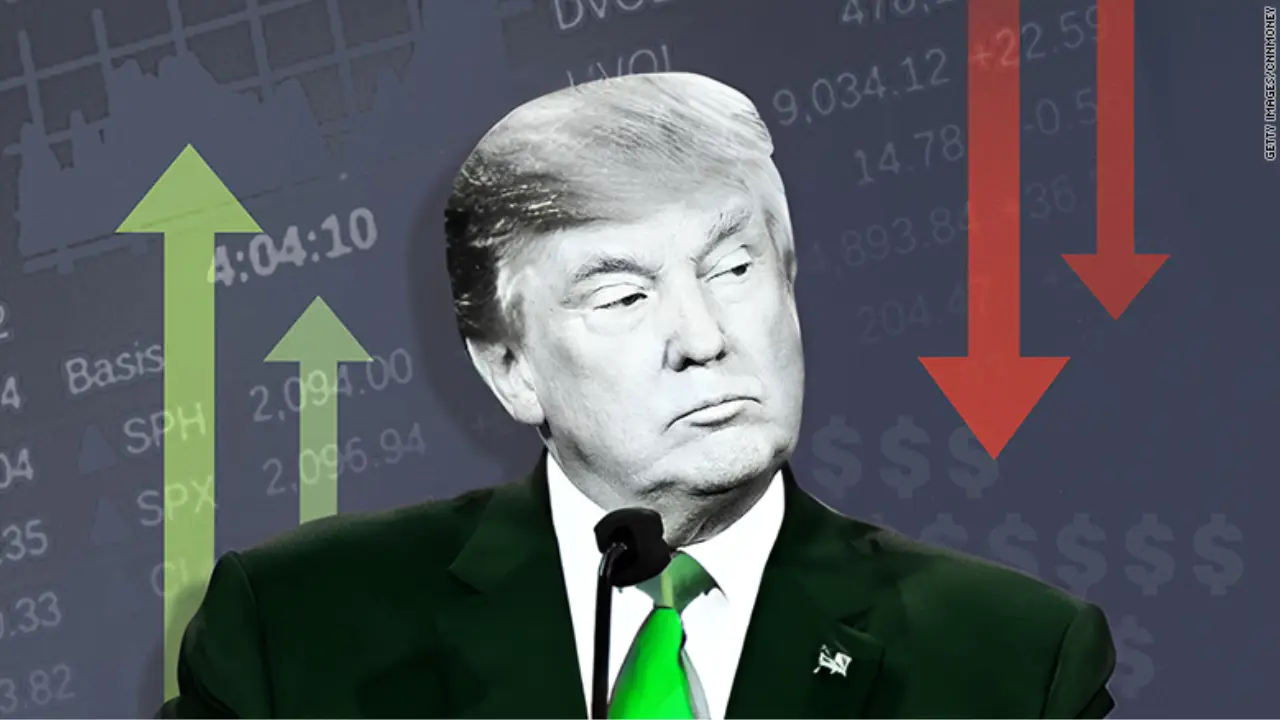
Trump and the Stock Market: The Weird Relationship Termed “Trump Dump” Takes Effect Once Again.
Welcome to Megatroy.com, your go-to source for the intersections of politics and finance. Let’s dive into the nuanced relationship between former President Donald Trump and the stock market.
Donald Trump frequently touted the stock market’s performance as a testament to his presidency. He celebrated record highs during his tenure and continues to boast about the “beautiful” stock market under his watch.

The Overlooked Record Highs
What is often overlooked are the 40 record highs achieved under the Biden-Harris administration. While Trump undeniably influenced the stock market, much of his impact was negative, especially for companies and industries that he targeted.
Trump’s Market Disruptions
Stock price movements are rarely due to a single factor, but substantial evidence suggests Trump’s outbursts often catalyzed market disruptions, particularly in politically targeted sectors.
Semiconductor Sector Hit
A prime example is the semiconductor sector. Following Trump’s attack on Taiwan’s semiconductor manufacturers, which produce approximately 90% of the world’s semiconductors, the market saw significant declines. In an interview with Bloomberg Businessweek, Trump questioned the U.S. defense of Taiwan. After the interview was published on July 16, Taiwan Semiconductor (TSMC) plummeted around 15%, and the broader semiconductor index dropped 10%.
In the same interview, Trump criticized large U.S. tech companies, exacerbating a tech sell-off. The Nasdaq 100 fell nearly 10% in the following days, erasing over $1.7 trillion in wealth.
Green Energy and Other Targets
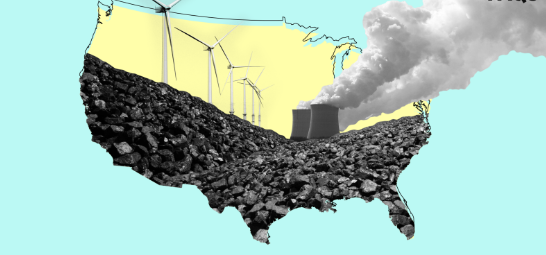
Trump’s attacks on green and renewable energy companies triggered significant losses in those sectors. Market commentators noted, “Trump storm batters wind and solar stocks.” These losses far outweighed gains in sectors like private prisons, predatory lenders, and gun manufacturers, which some referred to as the “Trump Trade.” Even these initial gains reversed following Biden’s debate performance and an assassination attempt on Trump.
Long-standing Market Impact
Throughout his first term, Trump’s abrupt social media posts, offhand remarks, and policy shifts often sank the stocks of targeted companies. Markets, which generally crave predictability, reacted poorly to his unpredictable actions.
Notable Examples
- Harley-Davidson: Dropped nearly 10% over two days in June 2018 after Trump threatened increased taxes for supposed outsourcing.
- Delta Airlines: Fell nearly 10% after Trump’s tweets implied the airline was to blame for delays following the travel ban’s botched implementation.
Weaponizing Government

Trump also used governmental power to punish political enemies and favor allies. His interference in the Time Warner-AT&T merger, following negative CNN coverage, hurt both companies over two years.
Market-Wide Shocks
Sometimes, Trump’s actions rattled the entire market. The S&P fell 4% in two days in 2019 after Trump announced tariffs on $500 billion worth of Chinese imports.
Similarly, the market lost $500 billion in a day after Trump attacked Fed Chairman Jay Powell. A Barron’s study found the stock market often fell on days when Trump tweeted about “tariffs,” “Powell,” or “Fed.”
Perilous Prospects for a Second Term
A second Trump term promises even greater peril for the stock market. He has vowed to impose 10% tariffs on all imports and chosen a running mate with strong anti-corporate rhetoric. Trump’s recent attacks on the record-high stock market as merely enriching the wealthy hint at a shift towards hardcore economic populism.

The relationship between Trump and America’s CEOs has deteriorated, an ominous sign given Trump’s tendency to hold grudges. Bloomberg Businessweek reported, “Trump is highly attuned to his standing with America’s corporate chieftains.” Notably, no Fortune 100 CEO has publicly contributed to his campaign.
A Silver Lining
While Trump’s market disruptions often had only temporary impacts, multinational firms targeted by his “anti-woke” rhetoric outperformed “alt-right” and “anti-woke” startups.
A More Ruthless Second Term?
Should Trump win a second term, he may pursue his vendettas more efficiently and ruthlessly. Unrestrained by electoral constraints and emboldened by a comeback, he could exact a steep price on companies in his crosshairs, to the detriment of shareholders.
This unchecked, personalized targeting of companies is reminiscent of authoritarian regimes where businesses rarely thrive. As one GOP-supporting CEO remarked, “Businesses invest where there is the rule of law, not the law of rulers.”
Investors and Americans alike should be wary of the potential for Trump to further bend the stock market to his will if he secures another term.